
Early Spring Increases Wildfire Risks: What to Expect and How to Be Prepared
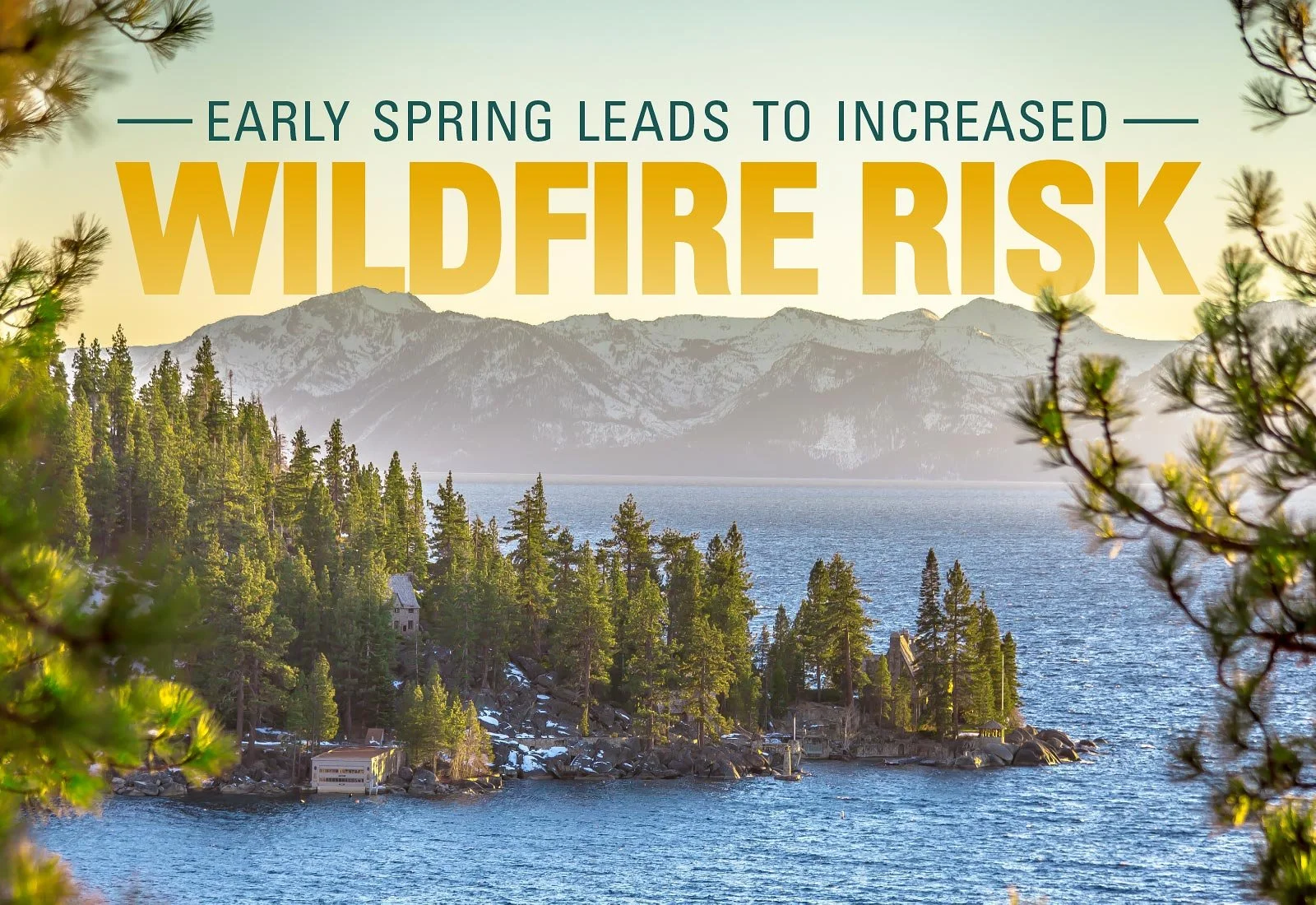
California’s April 1 snowpack measurement is always an important marker for the fire season ahead. This year, it told a concerning story. After a record high heat and lack of snow throughout March, much of the snowpack that typically helps carry California through the warmer months is already gone or rapidly disappearing.
That matters because the Sierra Nevada snowpack supplies about a third of the state’s water. When it melts too early, we lose that steady runoff that keeps vegetation hydrated into late spring and summer. Instead, we are left with drier fuels earlier in the year, longer fire seasons, and conditions that allow fires to spread faster and burn hotter.
For firefighters, this is a clear signal. We are likely heading into a season where resources may be stretched thin, and the initial attack will be critical. For the public, it is a reminder that wildfire preparedness cannot wait until smoke is in the air.
Wildfire preparedness starts at home. According to CAL FIRE, residents should make the first five feet around the structure of a home (Zone 0) as fire-resistant as possible. Which doesn't sound like much, but it's one of the most critical defensible spaces to protect your home from wildfires. That means keeping it free of anything flammable: dry plants, mulch, firewood stacks, wooden furniture, and even fences that connect directly to your home.
The good news is that hardening your home doesn't always mean costly upgrades. Simple upgrades can make a real difference, like:
Use gravel, pavers, or concrete instead of combustible mulch
Clear dead weeds, grass, and debris; check roofs, gutters, and outdoor areas
Keep branches trimmed 10 feet away from chimneys and stovepipes
Minimize combustible items like furniture and planters on decks
Move firewood and lumber to Zone 2 for safety
Replace combustible fencing and gates with fire-resistant materials
Shift garbage and recycling containers to a safer area outside this zone
Relocate boats, RVs, and vehicles away from this zone to reduce fire risks
These are not major changes, but they can help prevent embers from becoming structure fires.
Equally important is having a plan. Too often, people wait too long to leave. They are unsure where to go or believe the fire will not reach them. Fires move faster than expected, and conditions can change in minutes. Every household should have a simple five-minute evacuation plan and a go bag ready at all times. That plan should include:
Pets
Important documents
Medications
Meeting points
Multiple routes out of the area
The reality is that wildfire seasons are getting longer and more intense. As the snow continues to melt and temperatures continue to rise, so does the urgency for proactive measures to address wildfires. The California Fire Foundation's dedication to fire prevention, community education, and supporting our firefighters is paramount in protecting the state's residents and landscapes. By understanding how hot and dry weather fuels the fire season, we can all take steps to ensure a safer, more fire-resilient California.
For more information on how you can support the California Fire Foundation's mission, visit their website at www.cafirefoundation.org. Together, we can make a difference in safeguarding California against the threats of extreme heat and wildfires.